SYMPHONIC & ORCHESTRAL
Masterworks for full orchestra, from the Baroque era to the present.
Born in Harlem. Tuned to the world. WHRL Mood Radio is devoted exclusively to classical music—from early music and orchestral masterworks to opera, chamber music and contemporary composition.
Tune in to WHRL
Meet Jarvus Ricardo Hester for the people, places, ideas and stories shaping Harlem, East Harlem and New York City. Culture, community, conversation and a city guide with a point of view.
One live stream, carrying the WHRL broadcast wherever you are.
VIEW RECENTLY PLAYED →WHRL Mood Radio is dedicated to classical music in its full breadth: symphonic and orchestral repertoire, opera, art song, chamber music, piano, sacred and choral works, early music, contemporary composition and the music of historically underrepresented composers. Rooted in Harlem, our programming honors the classical tradition while bringing its full history and living future to the airwaves.
We bring composers, conductors, orchestras, opera singers, instrumentalists and chamber ensembles into focus—celebrating the artists and performances that sustain and expand the classical tradition.
We feature classical performers and composers through curated broadcasts, program notes, repertoire spotlights and conversations centered on the music and its interpretation.
Discover Harlem Renaissance 4.0 ↗Masterworks for full orchestra, from the Baroque era to the present.
Great operatic voices, art song, choral works and the classical vocal tradition.
Intimate works for strings, winds, piano and small ensembles.
Solo piano, concertos, organ and keyboard masterworks.
Music from the Renaissance, Baroque and early classical periods.
The expressive repertoire of the nineteenth and early twentieth centuries.
Living composers, new commissions and adventurous modern works.
Masses, requiems, spiritual settings and the great choral tradition.
The enduring and contemporary works of composers across the African diaspora.
Discover the lives, landmark works and recordings of the composers and performers who shaped classical music.
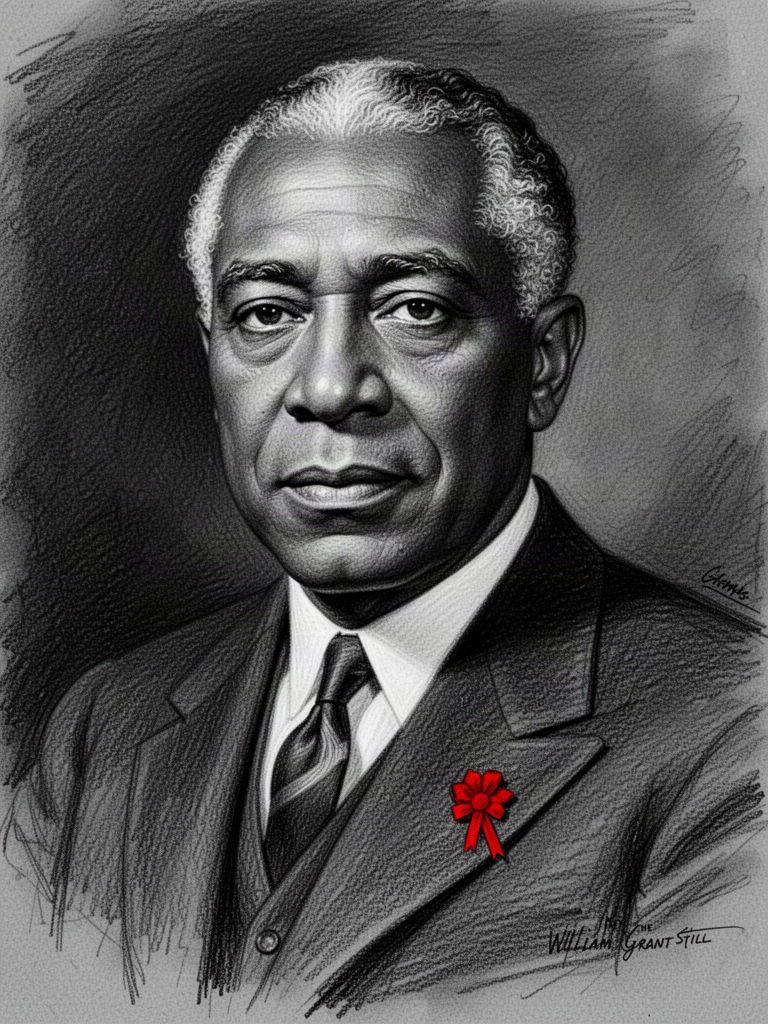
William Grant Still (1895–1978), often called the “Dean of African American Composers,” shaped a distinctly American concert-music voice through symphonic writing, spirituals, blues and modernist influence. He studied at Wilberforce and Oberlin, worked as an arranger with W. C. Handy and studied composition with George Chadwick and Edgard Varèse. His Symphony No. 1, “Afro-American,” was the first symphony by an African American composer performed by a professional U.S. orchestra; he later became the first African American to conduct a major U.S. symphony orchestra when he led the Los Angeles Philharmonic in 1936.

Joseph Bologne (1745–1799), born in Guadeloupe, became a celebrated violin virtuoso, composer and orchestral leader in eighteenth-century France. He directed the Concert des Amateurs and later the Concert Olympique, an orchestra associated with the premieres of Haydn’s “Paris” Symphonies. His career unfolded amid the racial exclusions of French society; a racist petition helped block his bid to lead the Paris Opéra. His surviving catalogue includes concertos, symphonies concertantes, chamber music and opera.
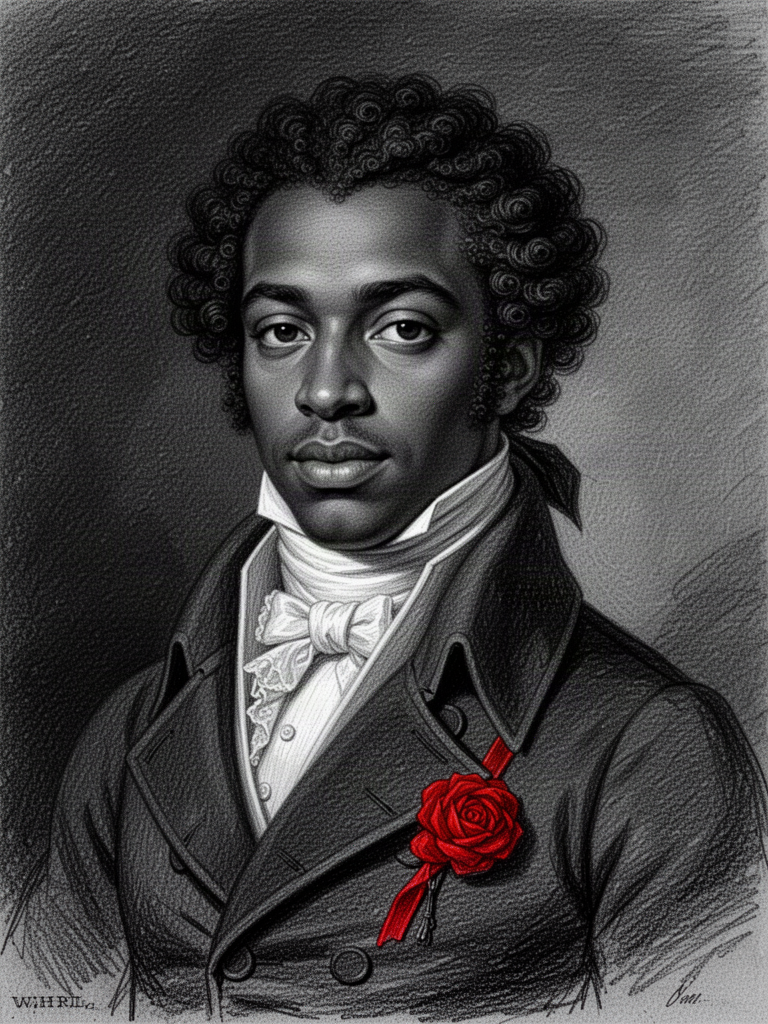
George Augustus Polgreen Bridgetower (1778–1860) was a celebrated violin prodigy who performed throughout Europe as a child and became a member of the Prince of Wales’s musical establishment in Britain. In Vienna in 1803 he premiered Beethoven’s Violin Sonata No. 9 with Beethoven at the piano. Beethoven initially dedicated the sonata to Bridgetower; after a personal quarrel, the dedication was withdrawn and the work became known as the “Kreutzer” Sonata. Bridgetower also composed, although only a small portion of his music survives.
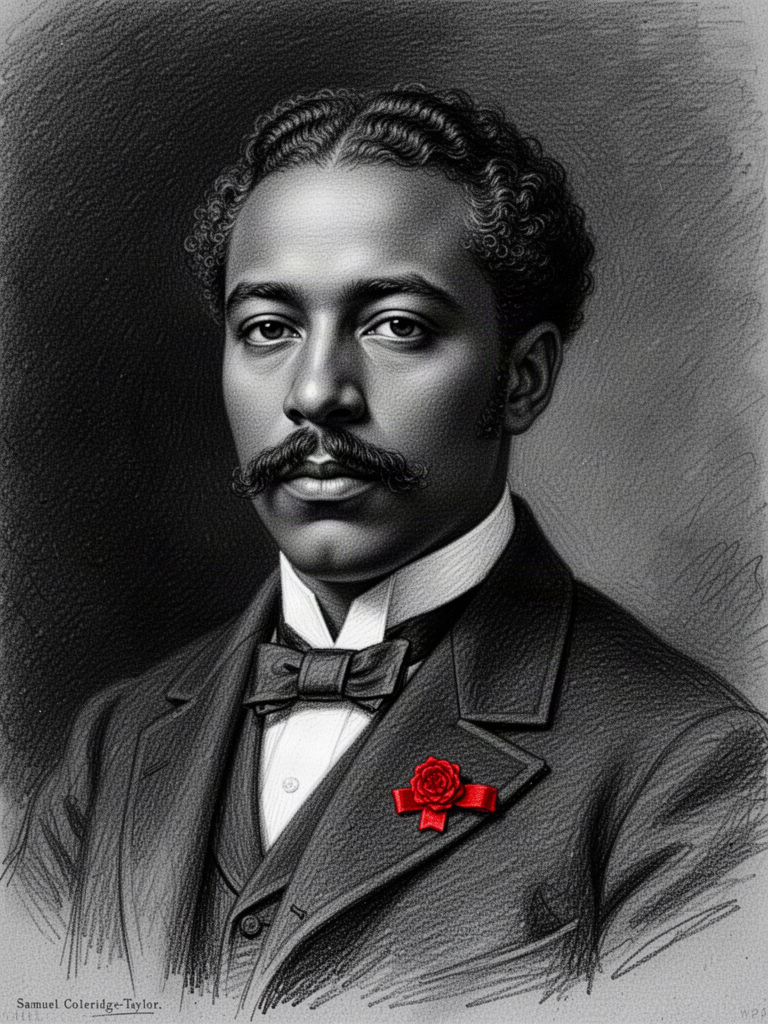
Samuel Coleridge-Taylor (1875–1912), the British composer of Sierra Leonean heritage, achieved remarkable success while still a young man. His cantata trilogy based on Longfellow’s The Song of Hiawatha became a major choral phenomenon in Britain and the United States. He also drew on African American musical traditions, notably in his arrangements and settings of spirituals, and toured the United States three times. His output ranges from symphonies and concertos to chamber music, songs and choral works.
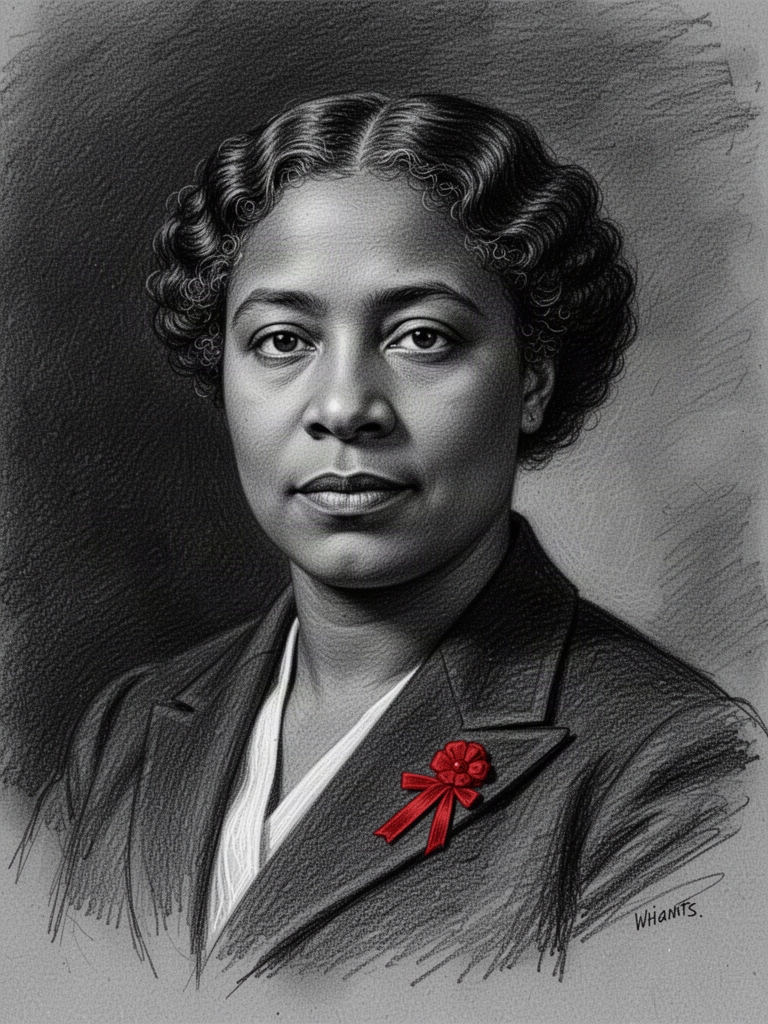
Florence B. Price (1887–1953) was a pioneering American composer whose music brings together symphonic craft, spirituals, dance rhythms and elements of African American musical life. In 1933 the Chicago Symphony Orchestra premiered her Symphony in E minor, making her the first African American woman to have a symphony performed by a major U.S. orchestra. A cache of manuscripts discovered in an abandoned house in Illinois in 2009 helped renew attention to her wide-ranging catalogue.
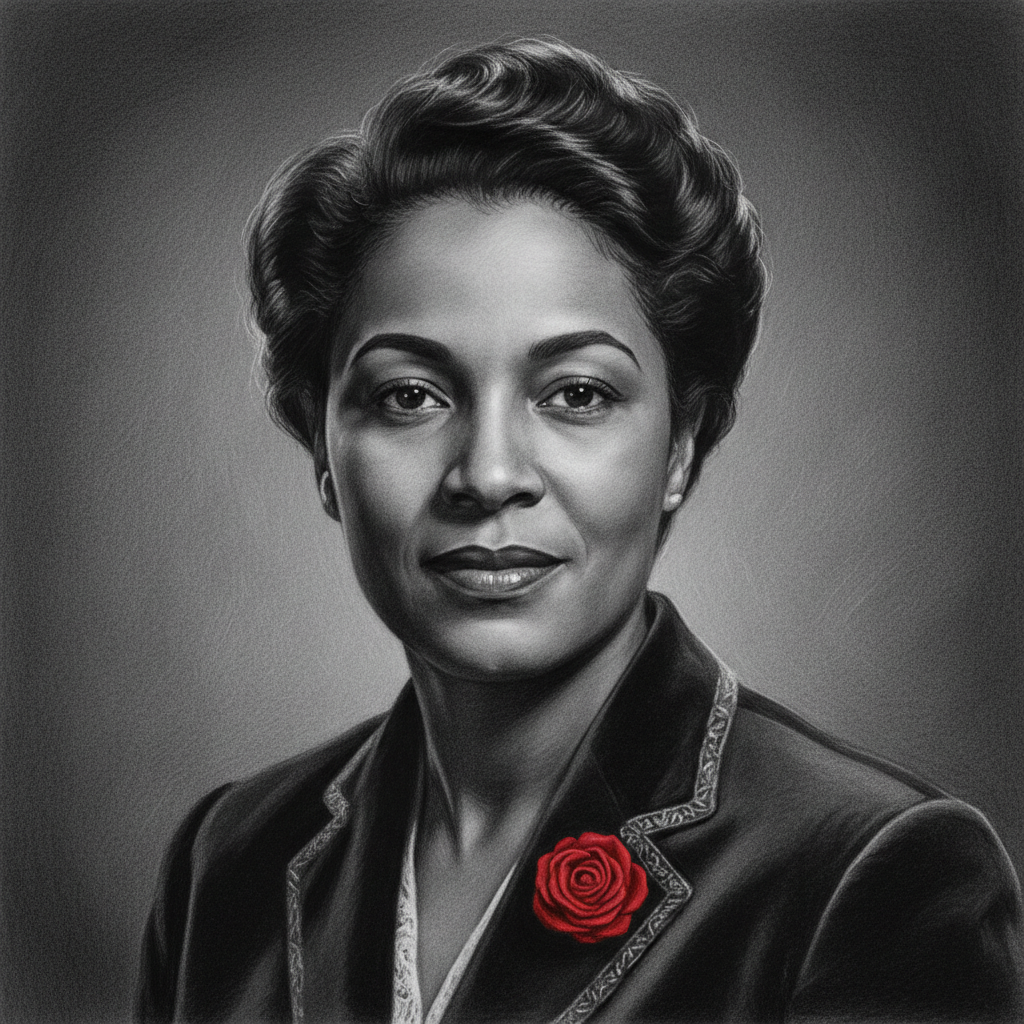
Margaret Bonds (1913–1972), born in Chicago, was a composer and pianist whose music joined classical forms with Black poetry, spirituals and the social history of her time. She studied at Northwestern University and built a close artistic partnership with Langston Hughes, setting his poetry in songs and larger works. Her catalogue includes orchestral variations, piano music, art songs, choral compositions and the celebrated Christmas cantata The Ballad of the Brown King.
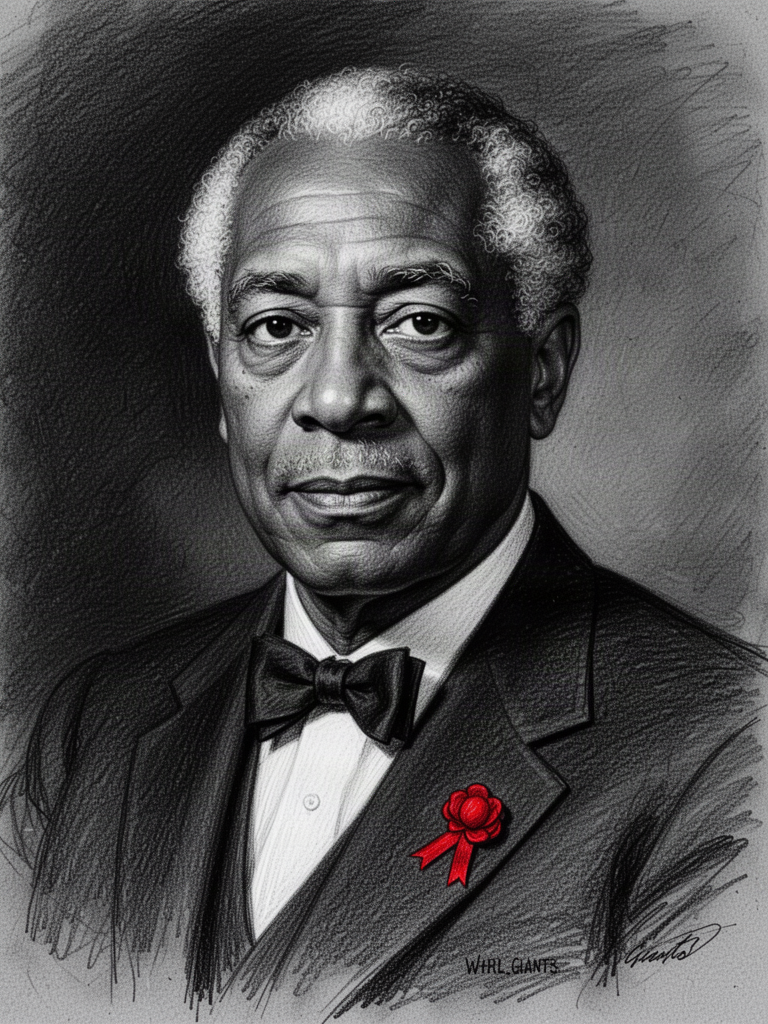
George Theophilus Walker (1922–2018) was a distinguished pianist, teacher and composer whose career broke major barriers in American concert music. In 1996 he became the first African American composer to receive the Pulitzer Prize for Music, awarded for Lilacs, a work for voice and orchestra. Educated at Oberlin, the Curtis Institute and the Eastman School, Walker wrote with a distinctive command of form, orchestral color and expressive contrast.
Scott Joplin (born between 1867 and early 1868; died 1917), remembered as the “King of Ragtime,” elevated a popular American style through carefully shaped piano compositions, syncopation and formal sophistication. His rags circulated widely through sheet music and helped define the sound of the early twentieth century. Joplin wanted ragtime recognized as a serious composed tradition. He attempted to stage his opera Treemonisha in 1915, but its widely recognized professional revival came in 1972.
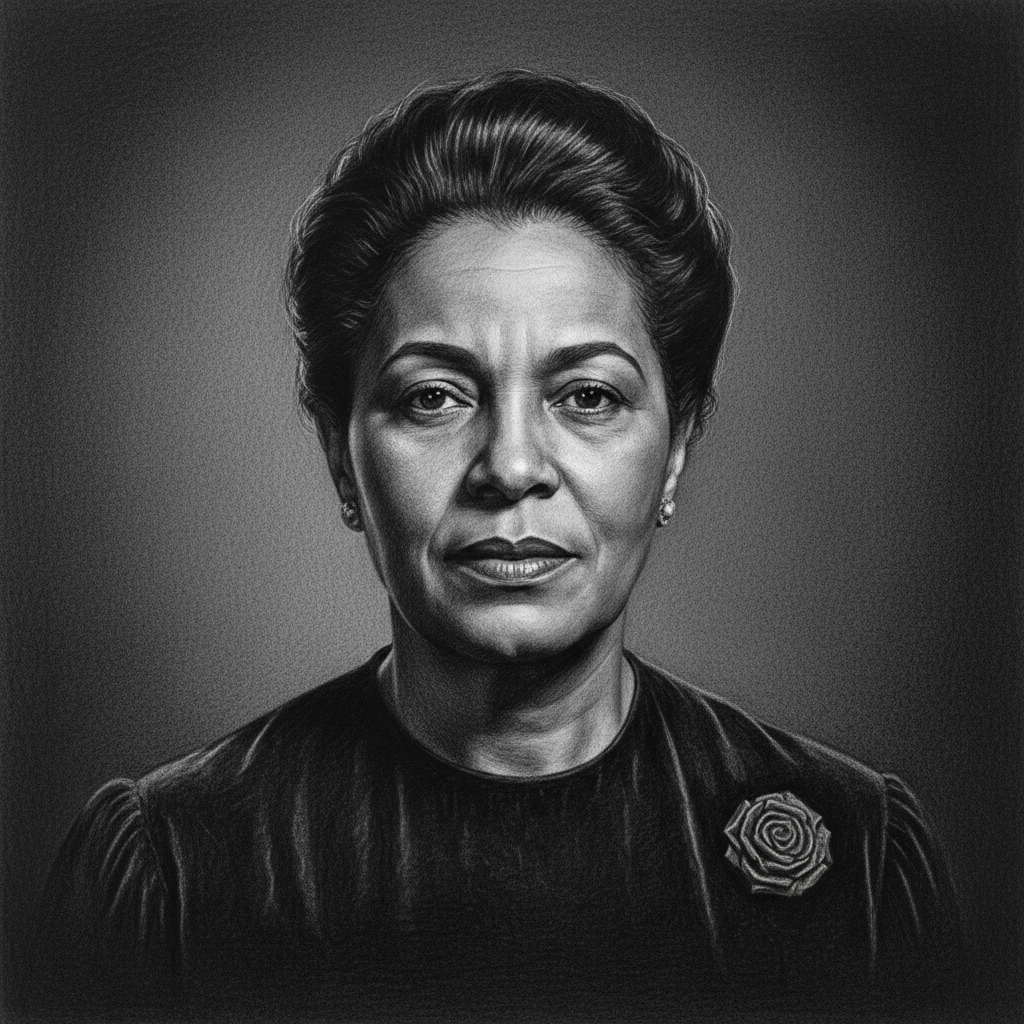
Marian Anderson (1897–1993) was one of the defining contraltos of the twentieth century, admired for the breadth, warmth and dignity of her voice. After the Daughters of the American Revolution barred her from Constitution Hall because of her race, she gave a historic open-air concert at the Lincoln Memorial on Easter Sunday 1939 before an audience of about 75,000. In 1955 she became the first African American singer to perform with the Metropolitan Opera, appearing as Ulrica in Verdi’s Un ballo in maschera.
Roland Hayes (1887–1977) was a pioneering American lyric tenor who built an international career through recital, concert and spiritual repertoire. He brought spirituals to major European and American stages as concert art, presenting them with the same musical seriousness he gave to European art song. His career challenged the racial barriers of the concert world and helped establish a path for later generations of Black classical singers.
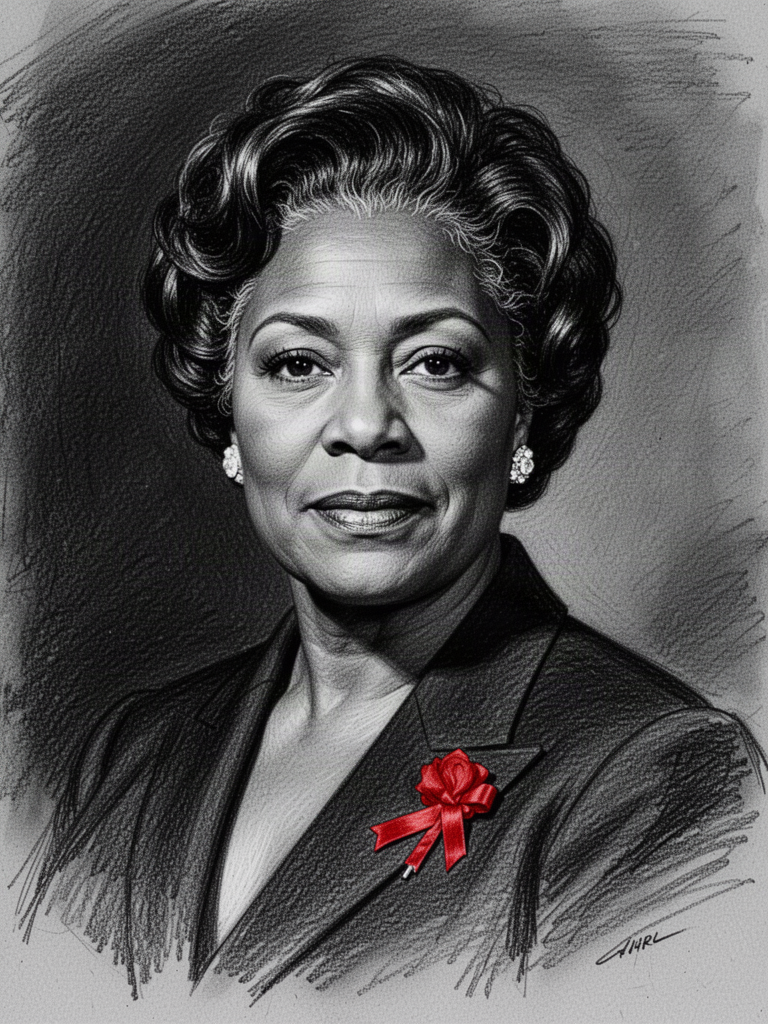
Leontyne Price (born 1927) is one of the most celebrated American operatic sopranos of the twentieth century. After major success in Europe, she made her Metropolitan Opera debut in 1961 as Leonora in Verdi’s Il trovatore and became especially associated with the great Verdi roles. Her voice, artistry and international career helped transform opportunities and expectations for Black singers on the world’s leading opera stages.
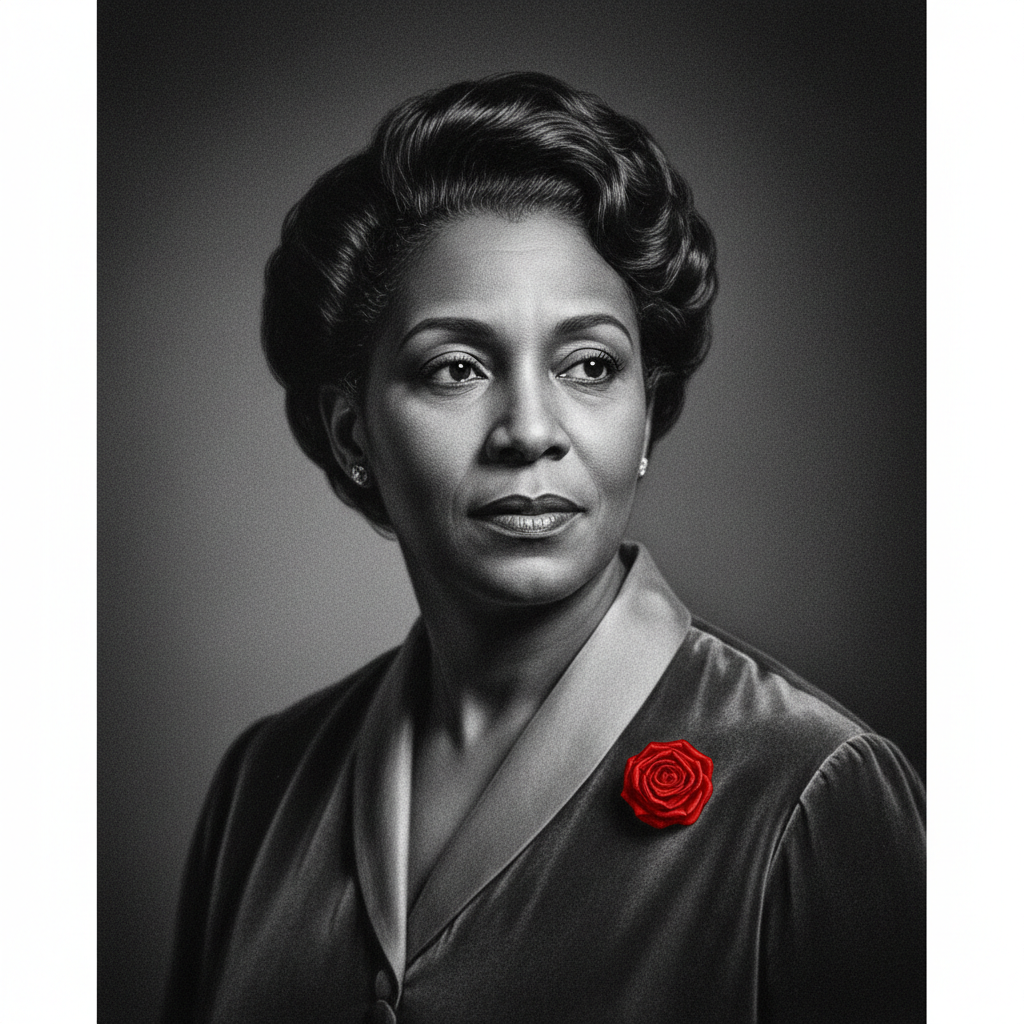
Jessye Norman (1945–2019), born in Augusta, Georgia, possessed one of the most expansive and recognizable voices of her generation. Her repertoire moved across Wagner and Strauss, French opera, German lied, spirituals and contemporary music. Equally compelling in recital and on the operatic stage, she became an international cultural figure and a powerful advocate for arts education and the musical traditions that shaped her.
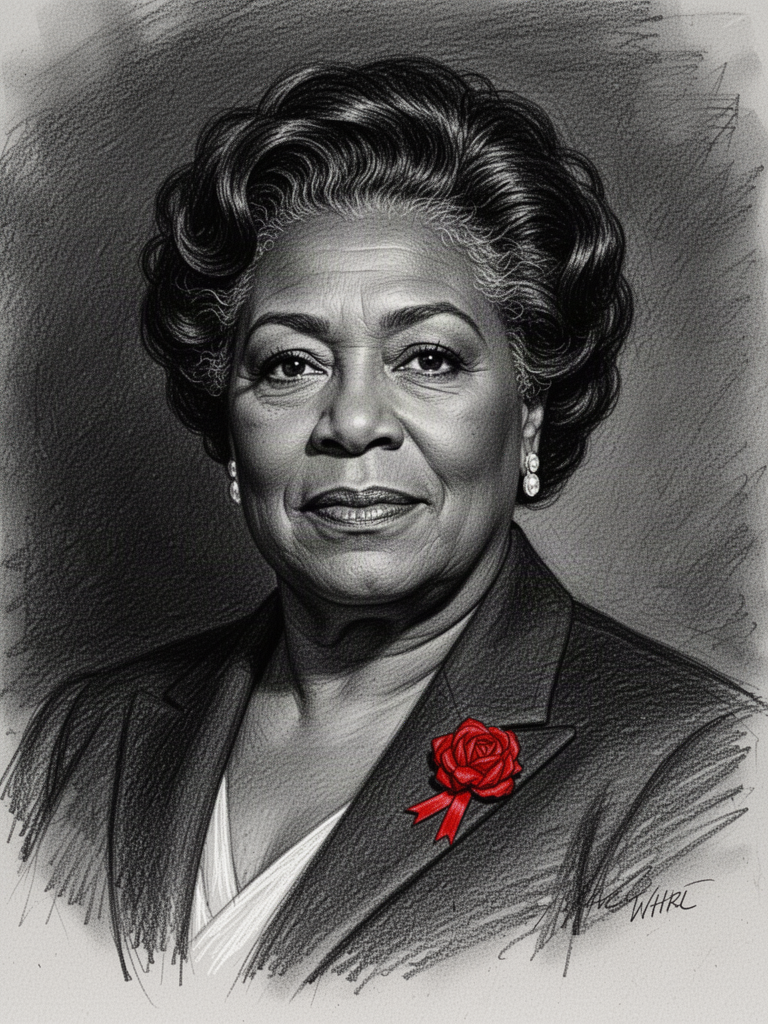
Shirley Verrett (1931–2010) was an American opera star whose extraordinary range carried her from dramatic mezzo-soprano roles into major soprano repertory. She was acclaimed in Verdi, Donizetti, Berlioz and French opera, and made operatic history in 1973 when she sang both Cassandra and Dido in the Metropolitan Opera’s first staging of Les Troyens. Her artistry combined vocal power, theatrical intelligence and unusual flexibility across demanding roles.
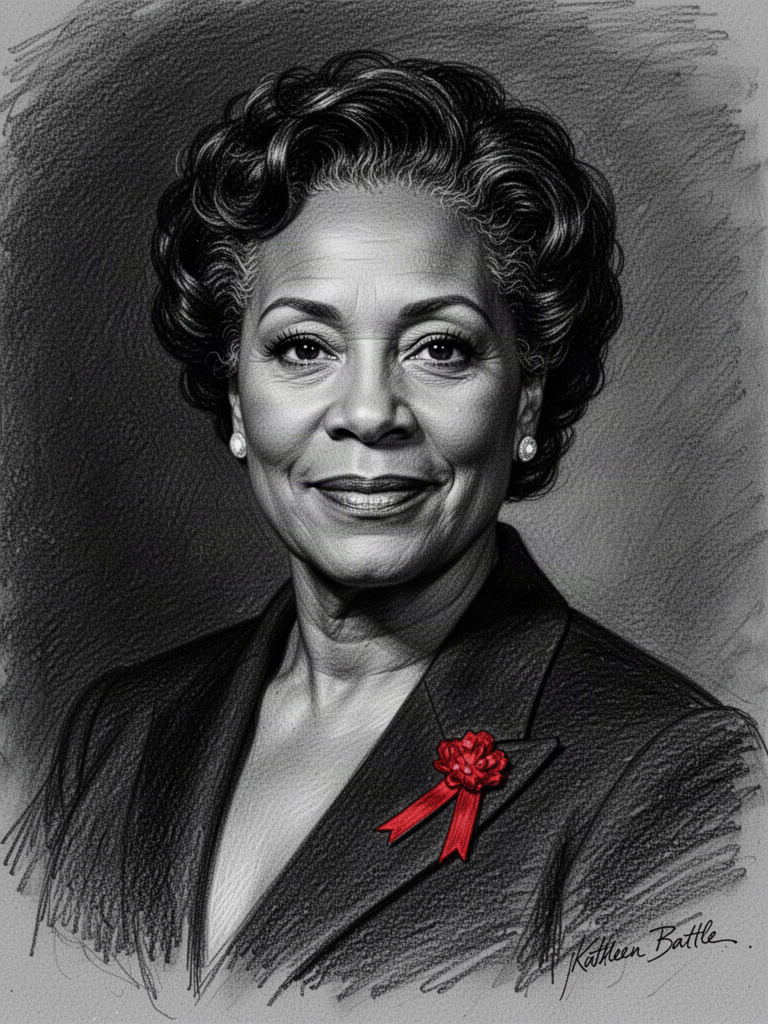
Kathleen Battle (born 1948) is an American soprano celebrated for her luminous tone, agility and finely detailed musicianship. Her career has encompassed Mozart, Handel, bel canto, French and German song, and spirituals, with appearances at leading opera houses and concert halls. Her recordings and recital programs helped bring a wide range of vocal repertoire to listeners around the world.
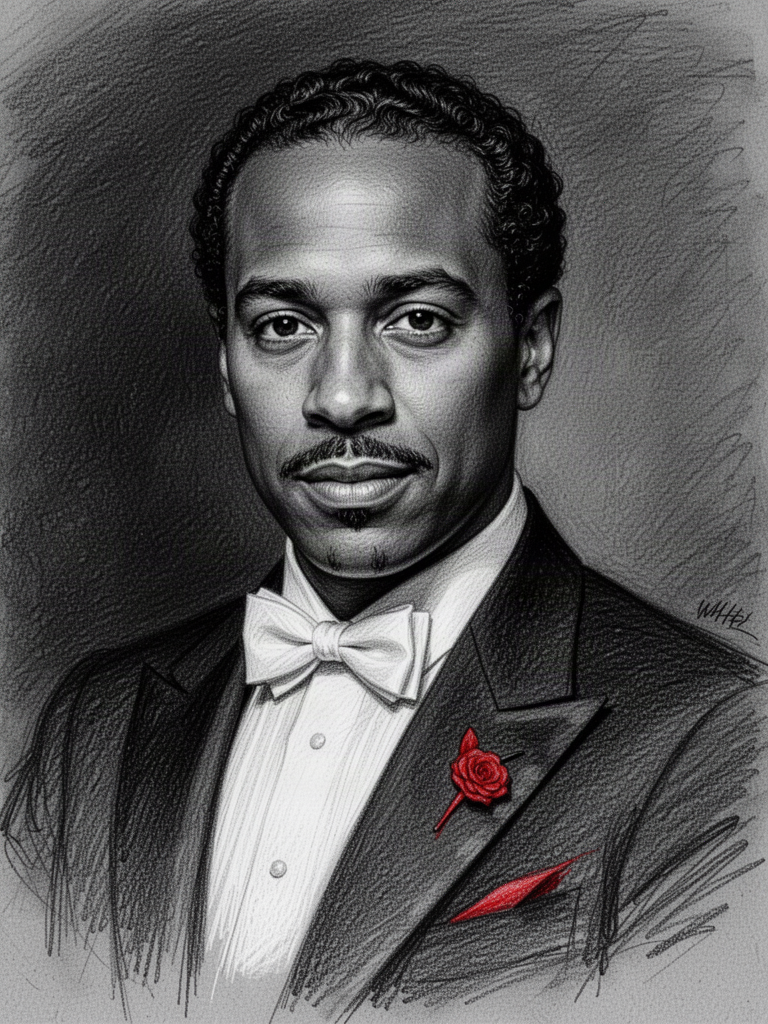
Lawrence Brownlee is an American tenor internationally admired for his flexibility, clarity and command of bel canto. A leading interpreter of Rossini, Donizetti and Bellini, he has appeared at the Metropolitan Opera and major opera houses worldwide. His 2023 album Rising sets poetry of the Harlem Renaissance in newly commissioned songs by six contemporary Black composers, bringing his advocacy and artistry together in one project.
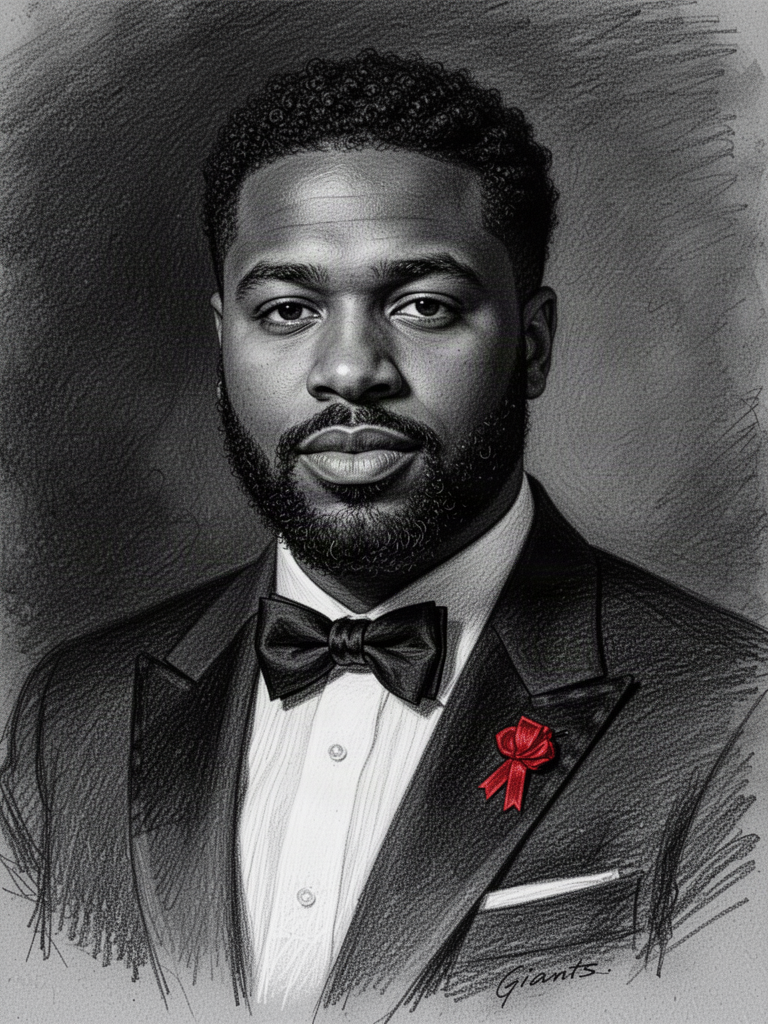
Ryan Speedo Green is an American bass-baritone whose career spans leading opera houses and concert stages. A graduate of the Metropolitan Opera’s Lindemann Young Artist Development Program, he is known for a resonant voice and commanding stage presence in Mozart, Verdi and contemporary repertoire. His work represents the continuing strength and range of Black artists in today’s international opera world.
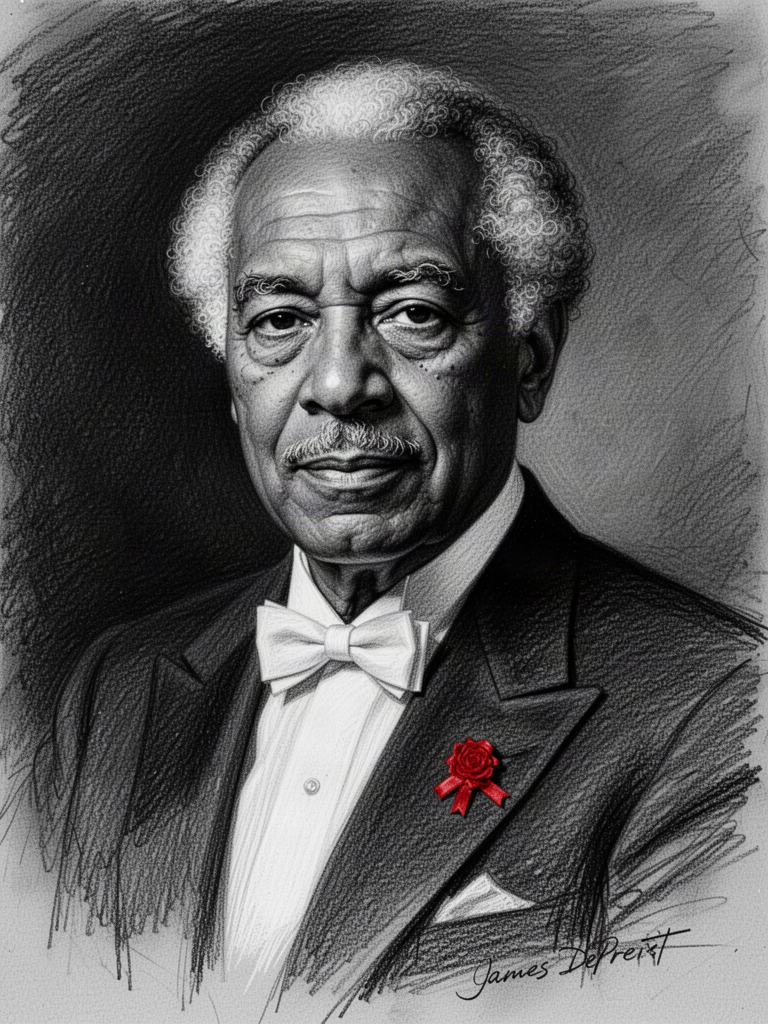
James DePreist (1936–2013) was an influential American conductor whose international career included a long tenure as music director of the Oregon Symphony from 1980 to 2003. A nephew of contralto Marian Anderson, he first pursued a career in composition before turning to conducting after illness interrupted his early plans. He became a respected interpreter, teacher and mentor, leading orchestras in North America, Europe and Asia.
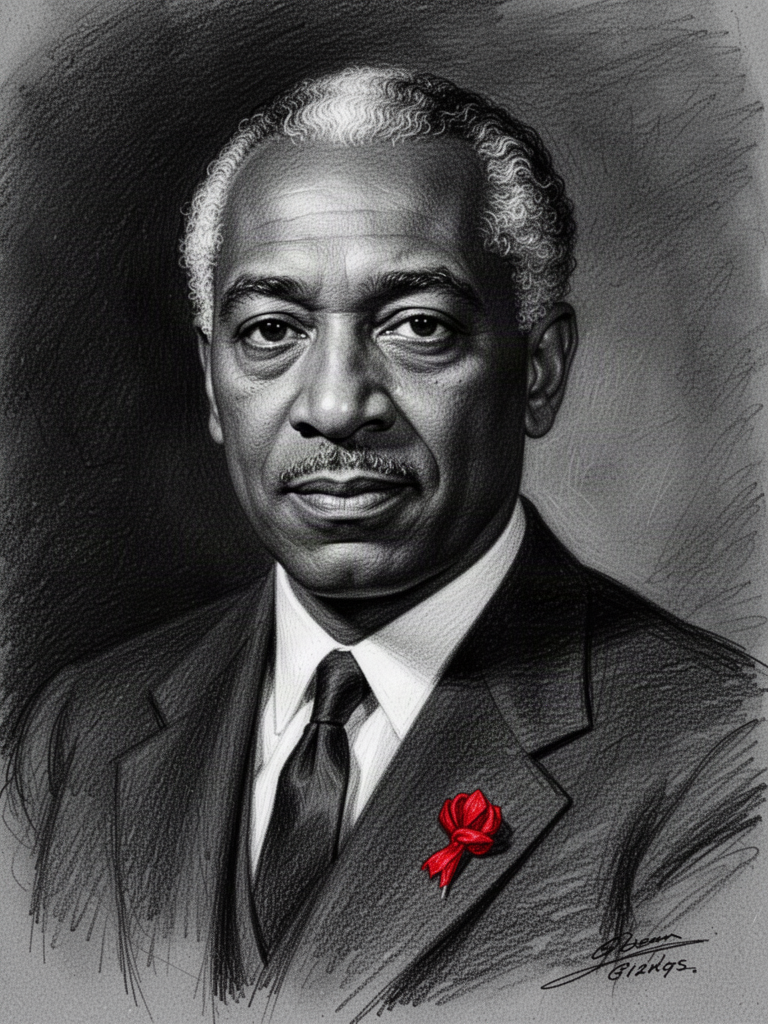
Dean Dixon (1915–1976) was an American conductor whose career became international after racial discrimination limited his opportunities in the United States. He founded the Dean Dixon Symphony Orchestra in New York and later held major posts in Sweden, Germany and Australia, including the Gothenburg Symphony and Frankfurt Radio Symphony. His career established an important precedent for Black conductors on the international podium.
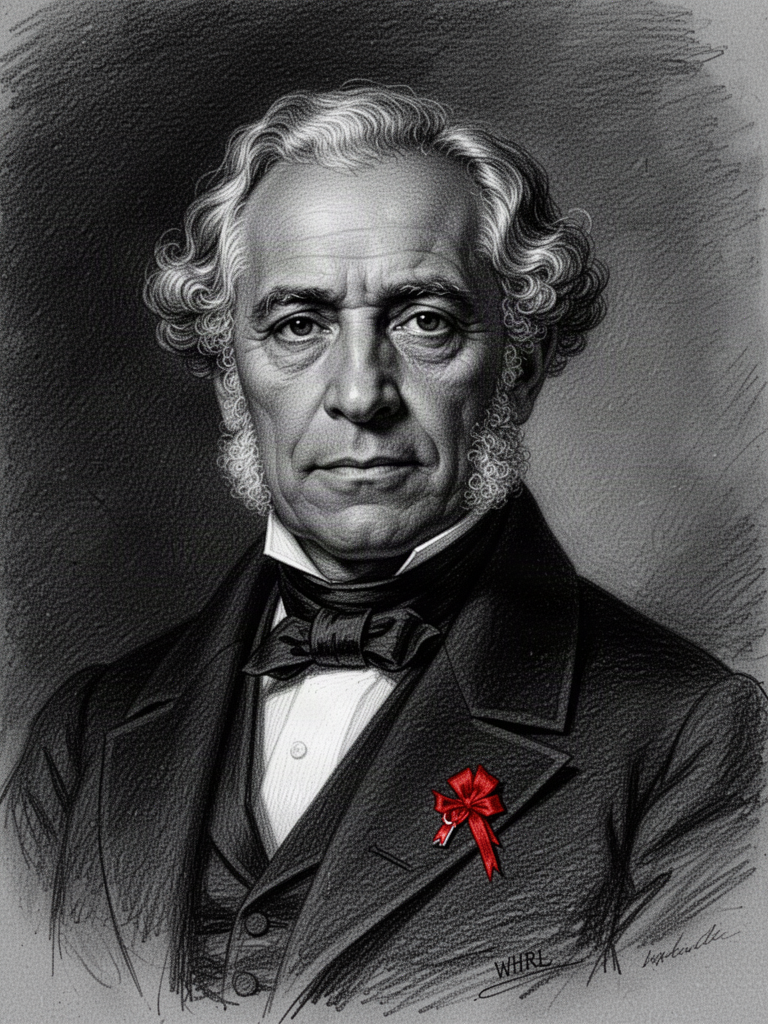
Henry Lewis (1932–1996) was an American conductor and double-bassist who became the first African American music director of a major American symphony orchestra when he took leadership of the New Jersey Symphony in 1968. He began his career as a member of the Los Angeles Philharmonic and served in the U.S. Army, where he led the Seventh Army Symphony Orchestra. He later conducted opera and orchestras in the United States and Europe.
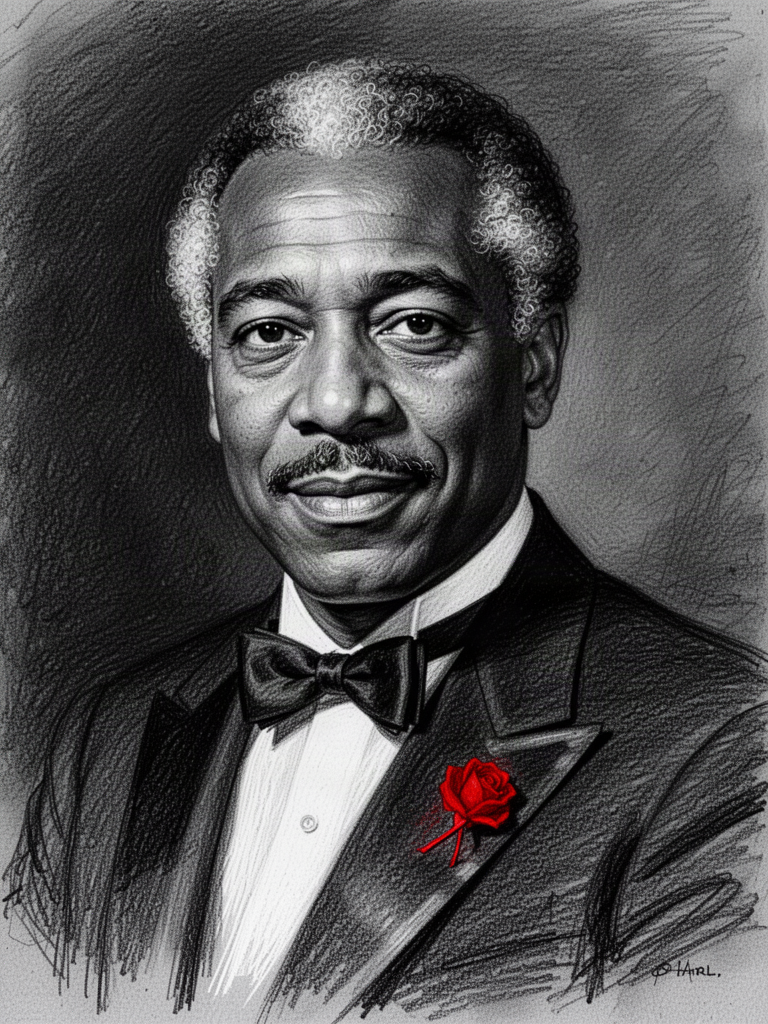
André Watts (1946–2023) was a celebrated American concert pianist who came to national attention at sixteen when Leonard Bernstein invited him to perform Liszt’s Piano Concerto No. 1 with the New York Philharmonic on a nationally televised Young People’s Concert. His career spanned six decades, with a repertoire encompassing Beethoven, Liszt, Brahms, Tchaikovsky and twentieth-century music. He was admired for his virtuosity, musical intelligence and commanding presence.
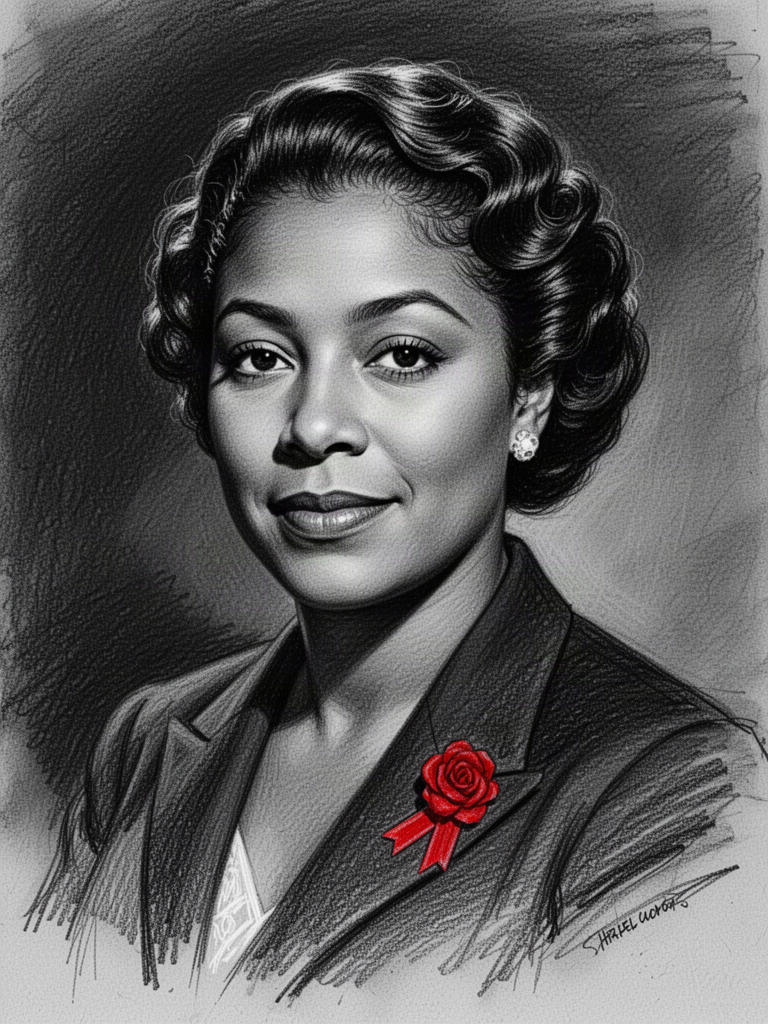
Hazel Scott (1920–1981), born in Trinidad and raised in Harlem, was a pianist, singer and actor whose classical training shaped a dazzling crossover style. A child prodigy who auditioned for Juilliard at eight, she became famous for “swinging the classics,” transforming music by Bach, Chopin and Rachmaninoff through jazz-inflected virtuosity. She also challenged racial discrimination in Hollywood and television, insisting on dignity and control over how she was represented.
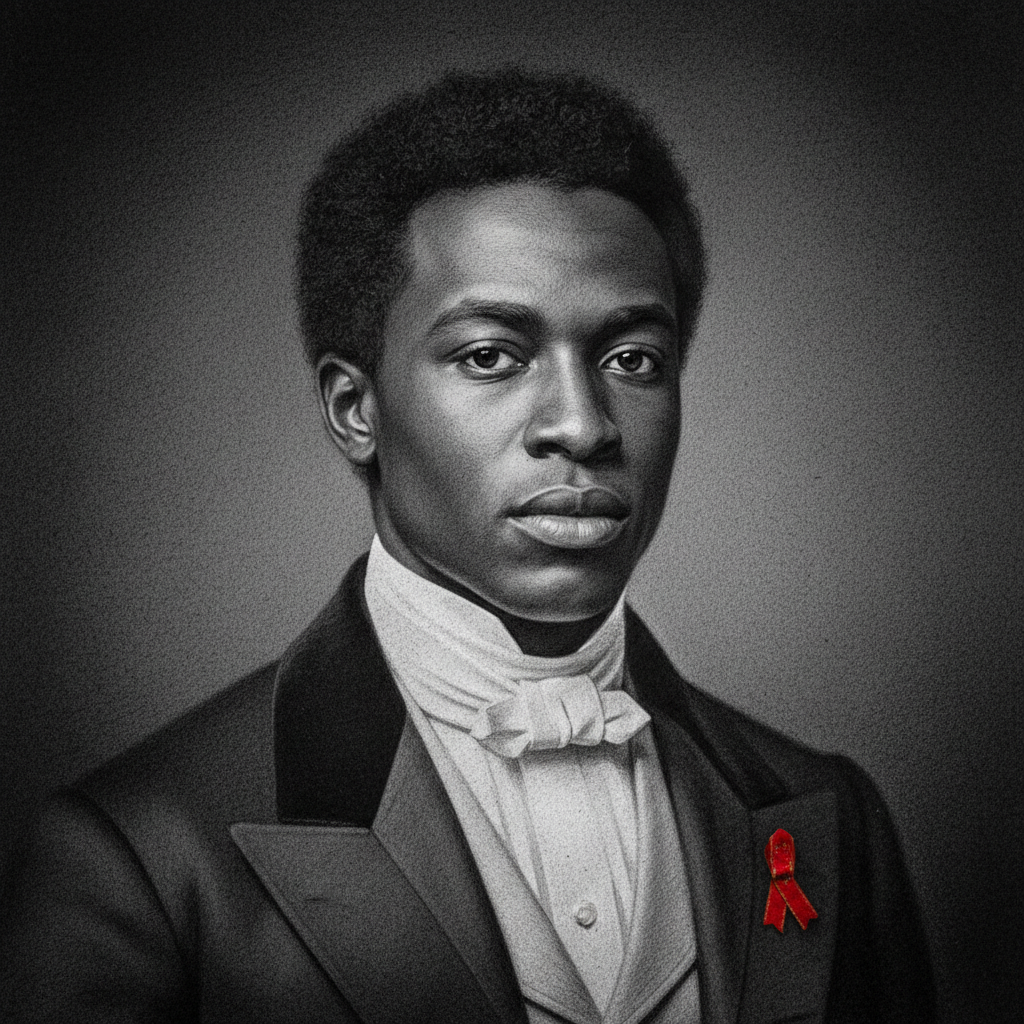
Sheku Kanneh-Mason (born 1999) is a British cellist whose expressive playing and wide-ranging programming have reached audiences around the world. He won the 2016 BBC Young Musician competition and performed at the 2018 wedding of the Duke and Duchess of Sussex. A Decca Classics recording artist, he champions both the core cello repertoire and new arrangements, collaborations and music by composers from varied traditions.
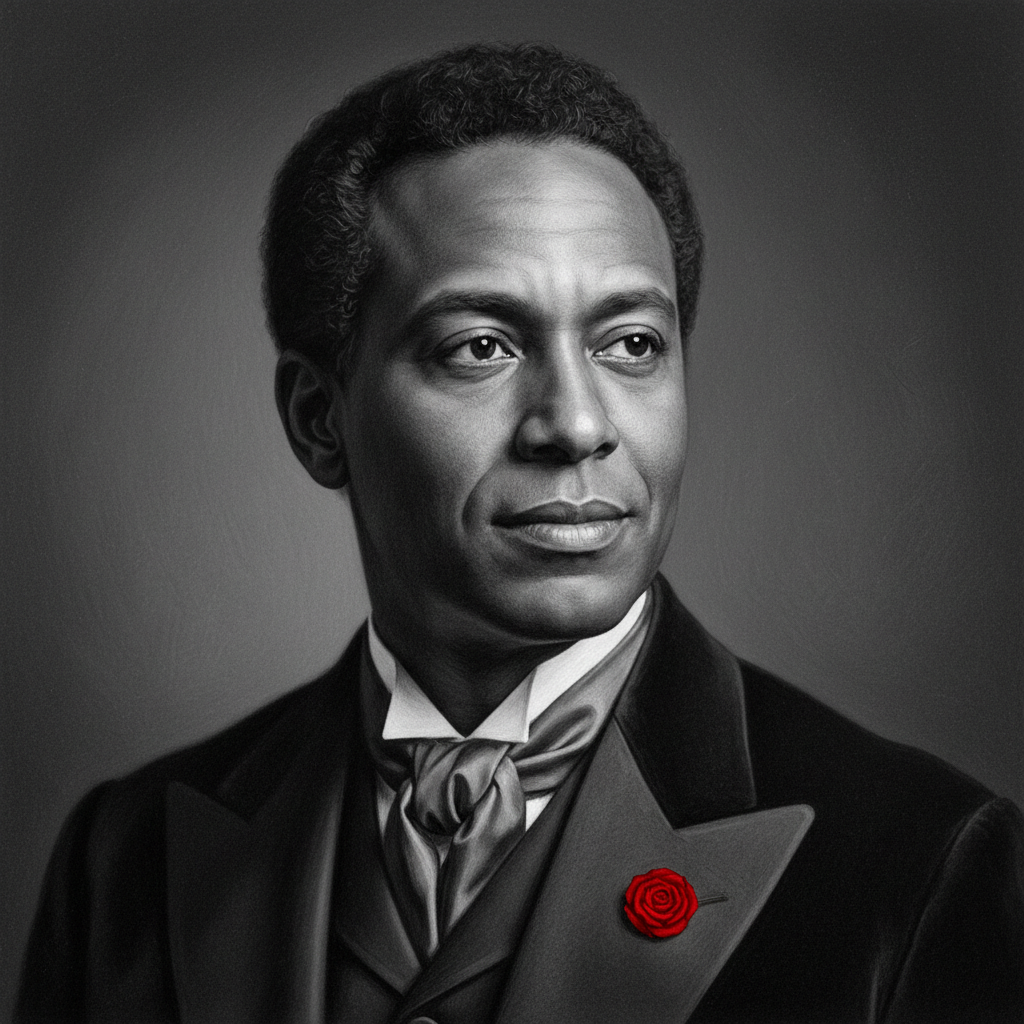
Anthony McGill is an American clarinetist and a leading orchestral, solo and chamber musician. He is principal clarinet of the New York Philharmonic and has appeared with major orchestras and ensembles around the world. In 2009 he performed at the inauguration of President Barack Obama as part of a celebrated chamber ensemble. His projects also foreground American composers and broaden access to classical music.
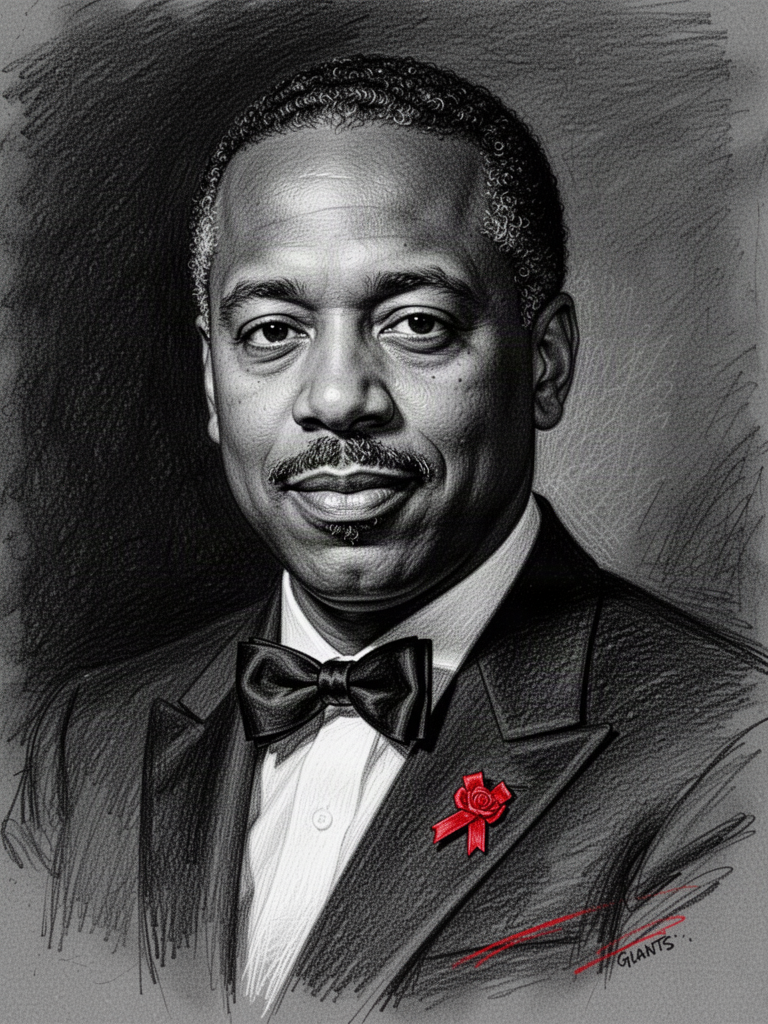
Wynton Marsalis (born 1961) is an American trumpeter, composer and educator whose work spans jazz and the classical concert tradition. He became the first jazz musician to win the Pulitzer Prize for Music, awarded in 1997 for the oratorio Blood on the Fields. Alongside his recordings and performances, he has composed concertos, chamber works and large-scale pieces, and serves as a leading artistic voice at Jazz at Lincoln Center.
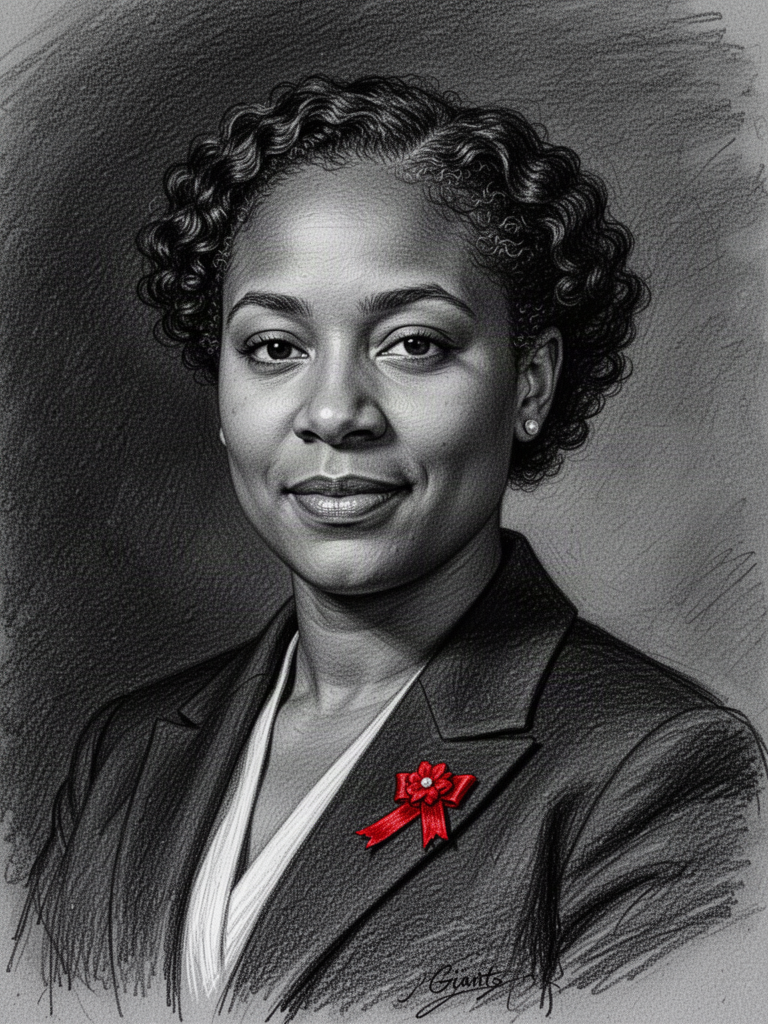
Jessie Montgomery (born 1981) is an American composer and violinist whose music draws on American folk traditions, history, improvisation and contemporary classical forms. A former member of the Sphinx Virtuosi, she has received commissions from leading orchestras and ensembles and become one of the most widely performed living American composers. Her work moves fluidly between intimate chamber writing and orchestral scale.
All 25 profiles include a biography, selected works, a research source and a recording-discovery link. The portrait series uses one consistent monochrome treatment with a WHRL-red accent.
Good questions. Thoughtful answers. Discover what music education and intentional listening may offer—and what the research actually says.
Music education can support skills connected to literacy, including sound awareness and phonological processing. The strongest evidence concerns active learning and instruction—not a promise that simply playing classical music will make someone a better reader.
Music education can strengthen skills closely connected to reading, including listening discrimination, rhythm awareness, phonological awareness and the ability to notice patterns in sound. Research is most encouraging for children who actively learn music or receive structured music instruction. It is a valuable complement to reading—not a replacement for books, teaching or literacy support.
Learning an instrument asks the brain to coordinate listening, movement, memory, attention and pattern recognition. Studies associate sustained music training with changes in auditory and motor networks. The size and transfer of benefits vary, and music lessons are not a shortcut to higher intelligence.
For some people, instrumental music creates a calm environment for reading, working or reflection. For others, any background music can be distracting. Try a quiet piano, chamber or orchestral selection at a low volume and notice what helps you concentrate.
Some studies find that music listening can help lower perceived stress and anxiety in particular settings. The response is personal: tempo, volume, familiarity and the listener's preferences all matter. Choose music that feels restorative to you.
The popular claim that listening to Mozart makes people permanently smarter is not supported by strong evidence. A brief change in mood or alertness may affect performance on a task, but simply playing classical music does not reliably raise IQ. Active music-making and music education are a different subject.
Absolutely not. Classical music spans centuries, continents, languages and traditions. Start with a voice, instrument, composer or mood that interests you. WHRL celebrates the full tradition—including Black composers and performers whose contributions deserve to be heard.
A note on evidence: effects differ across people and studies. WHRL shares music as an invitation to learn, listen and explore—not as medical or educational advice.
Harlem Renaissance 4.0 welcomes classical composers and performers seeking thoughtful exposure for their work through WHRL Mood Radio, repertoire features and artist profiles.
Distinctive voices, conversations and experiences from New York. Step inside a show, meet its host and find your way into the conversation.
New voices and new programs will join the WHRL lineup.
We’re always interested in fresh perspectives, original formats and voices with something meaningful to say. Pitch us a program for WHRL Mood Radio.
Seven days of classical music, culture and conversation from New York. The Morning Show anchors the weekday schedule, with a distinct weekend time.
Your City. Your Culture. Your Morning.
Your City. Your Culture. Your Morning.
Your City. Your Culture. Your Morning.
Your City. Your Culture. Your Morning.
Your City. Your Culture. Your Morning.
Weekend edition.
Sunday edition.
All times Eastern · Additional programs and showtimes will be added as they are confirmed.
THE CLASSICAL SOUND OF NEW YORK.
A daily journey through orchestral masterworks, opera, chamber music, piano, choral repertoire and contemporary classical composition—curated for attentive listening.
LISTEN TO WHRLSymphonies, concertos and landmark orchestral works.
Operatic repertoire, art song and great vocal performances.
String quartets, sonatas and intimate ensemble works.
Masters, rediscovered voices and contemporary composers.
Recent works and the evolving sound of classical music.
A daily curated classical music broadcast from WHRL Mood Radio.
Listen for opportunities to experience Harlem and New York: cultural attractions, tours, performances, museums, dining and neighborhood discoveries. WHRL keeps the music classical—and takes the experience beyond the dial.
DISCOVER LISTEN TO WIN ↗Explore station-wide giveaways, understand the official rules and find special promotions from WHRL original programs, including The Morning Show.
WHRL LISTEN TO WIN ↗THE MORNING SHOW GIVEAWAY ↗Curated experiences, cultural discoveries and special privileges from across Harlem and New York. Hear featured offers on WHRL and explore the collection through the East Harlem Tourism Board.
Have an attraction, cultural experience or neighborhood destination you'd like WHRL listeners to experience? Propose it for a future Listen to Win giveaway.
Listen here. Then follow the stories, performances, people and neighborhood experiences across our cultural network.
The latest features, voices and discoveries from Mood Magazine NYC.
Loading the latest from Mood Magazine…
New music, artist stories and the voices shaping Black culture—delivered from WHRL Mood Radio.
WHRL is built for listeners, artists and the communities whose stories deserve to be heard. Your contribution helps sustain independent programming, meaningful conversations and a station with a point of view.
SUPPORT WHRLJoin a live conversation, ask a question or respond to a topic on air. Our phone-in line is being configured now.
LIVE CALL-IN · IN DEVELOPMENTSend a story idea, community announcement or question for an upcoming broadcast.
SEND A REQUEST OR MESSAGE ↗Share a neighborhood event, cultural program or community initiative for consideration.
SUBMIT A COMMUNITY LEAD ↗A year of experiences. One cultural destination.
Win a pair of tickets for A Harlem White Christmas on December 19 or 20. Five pairs are available for each performance. Enter by December 11, then listen to the Morning Show December 14–18 for winner announcements.
DECEMBER 19 & 20 · 3:00 PM · TOWN SCHOOL THEATRE